Body Contouring Farmington Hills: Tips for Long-Lasting Results
@holdendxab725
September 24, 2026 · 16 min read
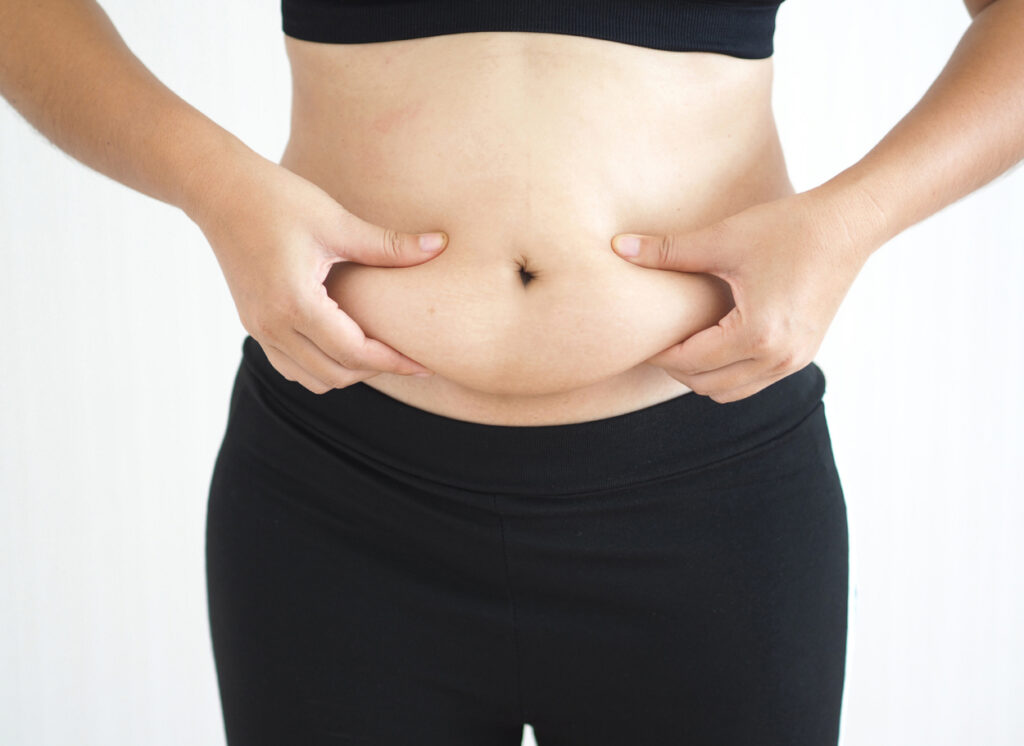
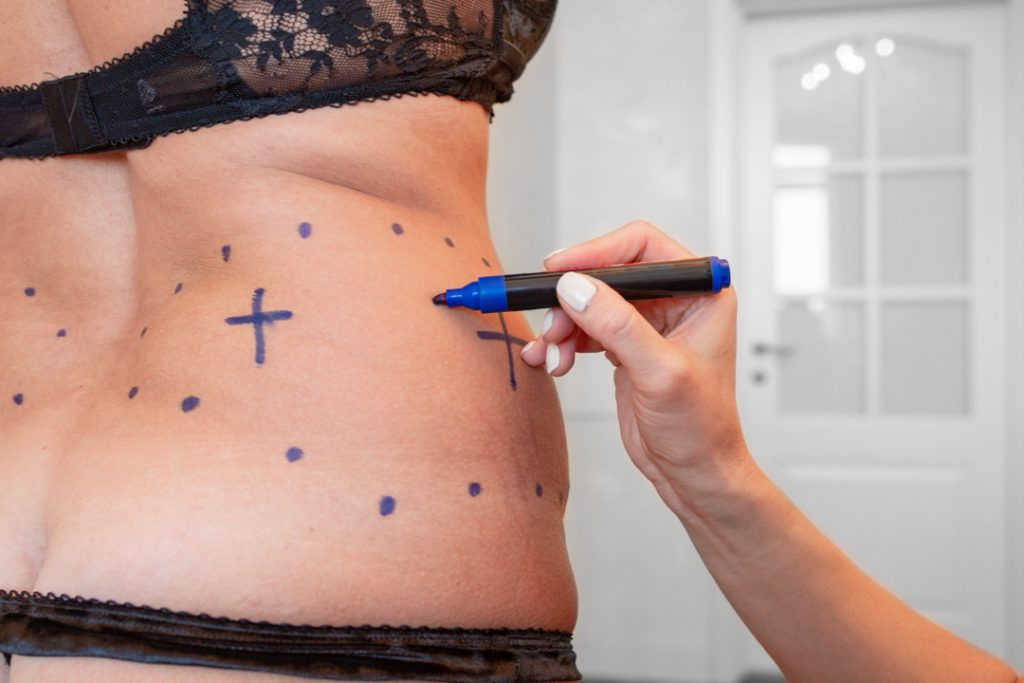
Body contouring can be exciting for a simple reason: it often addresses the stubborn areas that refuse to respond the way the rest of your body does. You can eat carefully, train consistently, and still feel frustrated by fullness at the lower abdomen, flanks, upper arms, or under the chin. That frustration is what brings many people to body contouring consultations in the first place.
What happens next matters just as much as the procedure itself. The people who tend to feel happiest with their results six months or a year later are usually not the ones who expected a miracle. They are the ones who understood what body contouring can do, what it cannot do, and how to support the outcome with practical habits. Whether you are considering non-surgical treatment or something more involved, long-lasting results come from a combination of good planning, realistic expectations, and disciplined follow-through.
For anyone researching Body Contouring Farmington Hills options, that mindset is especially useful. There are strong providers in the area, but even excellent treatment cannot outwork poor maintenance. A slimmer silhouette still needs stable routines behind it.
What “long-lasting” really means in body contouring
The phrase sounds straightforward, but it gets used loosely. In practice, long-lasting results do not mean your body is frozen in time. They mean the improvement can remain visible for a meaningful period if your weight stays relatively steady and your skin quality remains reasonably supportive.
That distinction is important. Body contouring changes shape. It does not stop aging, prevent weight gain, or replace the basics of nutrition and movement. Fat cells can be reduced or removed in treated areas, depending on the method, but remaining fat cells can still enlarge if habits shift and body weight climbs. Skin can also lose elasticity over time, especially after major weight fluctuations, pregnancies, stress, or natural age-related collagen loss.
A patient might look noticeably more defined through the waist after treatment and still see that definition soften later if they gain fifteen or twenty pounds. Another patient may keep the same scale weight but lose visible firmness because of reduced muscle tone or thinning skin. Both scenarios are common enough that they should be part of the conversation before treatment, not after.
Start by choosing the right type of contouring for your body
People often shop by trend instead of fit. That is one of the easiest ways to end up disappointed.
Some treatments target pockets of fat. Some tighten skin. Some do a bit of both, though usually not equally well. Surgical options can create more dramatic change, but they also involve more downtime and a heavier recovery commitment. Non-surgical treatments may feel more approachable, but they often work best for modest refinements rather than major reshaping.
The best candidates are not always the thinnest people. They are usually the ones with a specific, localized concern and enough skin quality to show the improvement well. In clinic settings, a very common mismatch happens when someone wants a non-surgical treatment for an area that really has a skin laxity problem rather than a fat problem. If the issue is loose tissue after weight loss or pregnancy, reducing a small amount of fat may actually make the looseness more obvious.
That is why consultation quality matters so much. A good provider will look at pinch thickness, skin recoil, muscle tone, scar history, and your pattern of weight change. They will also ask whether you are trying to fit into clothes better, define a waistline, smooth bra-line fullness, or deal with something more complex after a major body change. Those goals affect the treatment plan more than most people realize.
For those exploring Body Contouring Farmington Hills providers, one practical advantage of an in-person consultation is that subtle details are easier to evaluate face to face. Photos help, but they rarely tell the whole story.
Stable weight is the single biggest protector of your results
If I had to narrow long-term success down to one factor, it would be weight https://judahsplz773.nexorafield.com/posts/body-contouring-farmington-hills-non-surgical-options-explained stability. Not perfection, stability.
Most bodies tolerate small fluctuations without noticeably compromising contour. A swing of three to five pounds over the course of a month is different from repeated cycles of losing ten and regaining twelve. It is the larger, repeated shifts that tend to blur definition, stretch tissue, and make patients feel like their treatment “stopped working.”
This is especially true in areas where fat tends to return quickly when habits slip. The abdomen and flanks are classic examples. Someone may see a cleaner waistline after contouring, then gradually lose that crispness over a year of late-night eating, lower activity, and creeping stress-related gain. The procedure did not fail. The body adapted to new input.
Before treatment, it helps to spend at least a couple of months proving to yourself that your current routine is sustainable. That means finding a realistic eating pattern, not a crash diet. It means moving regularly enough that your weight and energy stay fairly predictable. It also means being honest about upcoming disruptions. If you are about to go on an extended vacation, enter a high-stress work season, or start fertility treatment, that timing may not be ideal.
Skin quality can make or break the final look
Patients often focus on fat because it feels measurable. Skin is harder to quantify, but just as important. The tighter and more elastic your skin, the better it can drape over a newly contoured area.
Age plays a role, but age alone does not decide skin quality. So do sun exposure, smoking history, genetics, hydration, hormone changes, and whether you have had major weight loss. Two people of the same age can have completely different tissue behavior. One may have sharp definition after treatment. The other may still look soft because the skin does not snap back well.
This matters most in the lower abdomen, upper arms, inner thighs, and around the jawline. If skin laxity is mild, some non-surgical options may still produce a worthwhile improvement. If laxity is moderate or significant, the patient often gets a better result by addressing skin directly rather than pretending it is purely a fat issue.
There is also a timing element here. If you are actively losing a substantial amount of weight, it often makes sense to finish that phase before pursuing contouring. Skin and fat distribution can change enough during weight loss to alter both your candidacy and your priorities.
Your recovery habits shape the outcome more than you think
The post-treatment window is not glamorous, but it is where many results are either protected or undermined. Recovery varies by procedure, of course, yet a few themes show up repeatedly across body contouring cases.
Swelling is the first reality check. People often expect to see the final result quickly and then panic when the treated area looks puffy, firm, uneven, or simply underwhelming. That early phase is normal. Tissue needs time to settle, and the timeline is not identical for everyone. A provider may estimate a certain recovery period, but your own healing speed, age, circulation, activity level, and treatment area all influence what you see week to week.
Hydration helps more than patients expect. So does walking. Gentle movement can support circulation, reduce stiffness, and make recovery easier to tolerate. On the other hand, returning too aggressively to exercise, ignoring compression instructions, or resuming high-sodium eating right away can make swelling linger longer and distort how the area looks.
The patients who do best usually treat recovery like part of the procedure, not an afterthought.
Compression garments are tedious, but they matter
If your provider recommends compression, use it exactly as directed. Not approximately. Not when it feels convenient.
Compression can support healing tissue, help manage swelling, and encourage a smoother contour while the body settles. It is not a magic tool, and it cannot fix poor technique or compensate for unrealistic expectations, but it often makes a visible difference in the quality of recovery.
The challenge is that many people stop too early. They feel better, the garment feels annoying, and they assume they are done. Then swelling rebounds, comfort drops, or the area looks less uniform than it did a few days earlier. That pattern is common enough that it is worth emphasizing: feeling impatient is normal, but impatience is not a good recovery plan.
If you are working, commuting, or managing family responsibilities in Farmington Hills, ask in advance how compression might affect your schedule, clothing choices, and comfort. It is easier to commit when you have planned around it.
Nutrition after body contouring should be boring in the best way
The best post-contouring nutrition is not trendy. It is steady, protein-aware, moderate in sodium, and boring enough that you can actually maintain it.
That usually means meals built around lean protein, vegetables, high-fiber carbohydrates, healthy fats, and enough total calories to support healing without tipping you into rebound eating. Severe restriction is a mistake. So is “reward eating” because the procedure is finished. Both can work against your result.
A practical pattern that tends to serve patients well includes the following:
- Keep protein consistent at each meal to support recovery and muscle maintenance.
- Limit alcohol in the early recovery period, especially when swelling is still active.
- Watch sodium-heavy convenience foods, which can make puffiness more obvious.
- Avoid the cycle of extreme clean eating during the week and overeating on weekends.
- Return to your normal, sustainable eating rhythm as soon as your provider says it is appropriate.
That may sound almost too simple, but simple habits are usually the ones that last. In real life, the patient who meal-preps basic lunches and keeps evening portions stable often maintains results better than the patient who chases detoxes and resets every few weeks.
Exercise protects contour by protecting metabolism and muscle
Exercise after body contouring is not about “earning” your result. It is about preserving the body composition that makes the result show up well.
When patients regain weight after treatment, it is rarely because they skipped one week at the gym. It is usually because activity gradually fell out of their life altogether. Daily movement dropped, workouts became occasional, stress increased, and the old baseline returned.
You do not need an extreme routine. What you need is consistency. Resistance training is especially valuable because it supports muscle mass, helps shape areas adjacent to the treated zone, and improves the overall look of firmness. Walking remains underrated for weight maintenance and recovery. Add in some form of cardiovascular work you can tolerate long term, and you have a realistic framework.
The timing of your return to exercise depends on the procedure and your provider’s instructions. Respect that timeline. A rushed return can prolong swelling or discomfort and, in some cases, interfere with healing. Once you are cleared, think in seasons, not bursts. The body responds better to twelve steady months than to three heroic weeks.
The scale is only part of the story
People often fixate on weight after body contouring because it feels objective. The mirror, clothing fit, waist measurement, and progress photos can be more useful.
A woman may weigh the same as she did before treatment and still look significantly different in fitted clothing because the waistline is smoother. A man may gain three pounds after adding strength training and look leaner because his muscle-to-fat ratio improved. If you judge maintenance only by the scale, you can miss meaningful shifts in body composition.
One trick that works well is keeping a small set of repeat measurements. Waist, lower abdomen, hips, or the specific area that bothered you most can reveal changes early, before they become obvious in photos. Monthly check-ins are usually enough. Daily scrutiny tends to create noise rather than insight.
Timing matters more than many people expect
The best time for body contouring is usually when your life is relatively stable. That does not mean perfect. It means stable enough that recovery and maintenance are realistic.
Major life events can make good results harder to preserve. Pregnancy plans matter. So does a recent thirty-pound weight loss that may or may not continue. A stressful relocation, a demanding work quarter, or caregiving responsibilities can all affect recovery habits, sleep, meal structure, and follow-up attendance.
In Farmington Hills and surrounding communities, many patients schedule treatment around school calendars, office slow periods, or winter months when compression garments are easier to hide under clothing. Those practical considerations are not trivial. When logistics are smoother, compliance tends to be better.
If you know another body change is coming, it may be wise to wait. Body contouring rewards patience more often than impulsiveness.
Smoking, vaping, and heavy drinking can quietly sabotage results
This section is rarely anyone’s favorite, but it matters. Nicotine affects circulation and can impair healing. Smoking history also tends to show up in skin quality, which affects how smooth and tight the final contour appears. Vaping is often treated like a separate category, but from a healing perspective it still raises concerns, especially if nicotine is involved.
Heavy alcohol use is another issue. It can worsen inflammation, affect sleep, complicate food choices, and contribute to weight regain. One celebratory weekend will not erase a result, but a pattern of frequent drinking often shows up in slower recovery and softer long-term contours.
Providers bring these issues up because they have seen the difference firsthand. Patients who optimize these basics almost always have an easier road.
Follow-up appointments are not optional formalities
When patients feel good, they sometimes treat follow-up visits like paperwork. That is a mistake. Those appointments are where small problems get caught early and routine healing gets interpreted correctly.
Swelling can mimic asymmetry. Firmness can feel alarming but be normal. A mild irregularity may improve with time, massage guidance, garment adjustment, or simply patience. Without follow-up, patients are left guessing, and guessing tends to drive anxiety or bad decisions.
If you are pursuing Body Contouring Farmington Hills treatment, choose a provider whose aftercare process feels clear and accessible. Ask who answers questions, what happens if swelling seems unusual, how often you will be seen, and what signs should prompt a call. Technical skill matters, but communication during recovery matters too.
Be realistic about touch-ups and combination treatments
Not every concern is solved in one session. That is not necessarily a red flag. Sometimes it reflects good clinical judgment.
A patient with modest flank fullness and mild skin laxity may get the best outcome from staged treatment rather than one aggressive attempt. Someone else may need body contouring plus muscle-focused training afterward to reveal the look they want. Another person may be thrilled with an improvement that is noticeable in clothes, even if it is not dramatic under harsh bathroom lighting.
Perfection is a poor benchmark in this category. Symmetry in the human body is never absolute, and tissue does not heal like poured concrete. The best long-lasting results usually look natural, proportional, and quietly better, not artificially “done.”
The mental side of maintenance deserves more attention
Body contouring can improve confidence, but it does not erase body image struggles overnight. Patients sometimes expect that once a specific area is treated, they will stop noticing every physical flaw. Real life is messier than that.
The healthiest long-term mindset is one that treats body contouring as a focused intervention, not a total reinvention. It can remove a persistent source of frustration. It can make clothing fit better. It can help your external shape line up more closely with the effort you already put into your health. What it should not have to do is carry the entire burden of self-esteem.
That mindset helps with maintenance too. When patients value the result without obsessing over it, they tend to make better choices. They move consistently, eat more steadily, keep appointments, and notice changes early without spiraling.
Questions worth asking before you commit
The quality of the consultation often predicts the quality of the overall experience. A few questions can quickly reveal whether the plan is grounded or overly sales-driven.
- Am I a good candidate for this specific treatment, or am I trying to use it to solve the wrong problem?
- How much improvement is realistic in my case, and what might limit the final result?
- What kind of recovery should I expect by week, month, and season?
- What habits will matter most if I want this result to last?
- If I am unhappy with one aspect of the outcome, what are the usual next steps?
Listen carefully to how those answers are delivered. You want honesty, not hype. The best consultations leave you informed, not dazzled.
Why local context matters in Farmington Hills
Body contouring is personal, but logistics influence success. Choosing a provider near home or work in Farmington Hills can make follow-up simpler, especially if you need more than one visit or want easy access during recovery. Convenience may sound secondary, yet it often determines whether patients stay engaged with aftercare or drift away once the treatment is done.
Local climate can influence planning too. Cooler months make it easier to tolerate compression garments and conceal early swelling under layered clothing. Summer scheduling may work better for others, especially if time off is easier then, but it comes with practical annoyances like heat, social events, and more revealing wardrobes before the area has fully settled.
A realistic plan fits your life, not just your wish list.
The habits that keep results looking good a year later
When patients return after a year looking happy, they usually have a few things in common. They did not rely on motivation alone. They built routines. They kept their weight in a manageable range. They stayed active even when life got busy. They paid attention to sleep, because sleep affects appetite, recovery, and training quality more than people admit. They also understood that small course corrections are easier than dramatic rescues.
That last point is worth holding onto. If you notice your clothes fitting tighter, your routine slipping, or stress eating creeping back in, address it early. A two-week correction is easier than a six-month backslide.
Body contouring can produce meaningful improvement. Keeping that improvement visible is less about luck than about stewardship. The procedure creates the opportunity. Your habits decide how well it ages.
Aesthetic Plastic Surgery & Laser Center, Michelle Hardaway M.D.
Address: 27920 Orchard Lake Rd, Farmington Hills, MI 48334
Phone number: +12482211957
FAQ About Body Contouring Farmington Hills
What does body contouring actually do?
Body contouring (or body sculpting) eliminates stubborn localized fat, tightens loose, sagging skin, and reshapes your silhouette. It is not a weight-loss tool, but rather a cosmetic procedure used to refine and tone specific trouble spots after major weight loss, pregnancy, or aging.
How much does body contouring usually cost?
The total cost of body contouring usually ranges from $2,000 to $25,000+ depending entirely on whether you choose non-surgical sessions or major surgical procedures.
Because "body contouring" covers everything from simple fat-freezing to comprehensive post-weight-loss surgeries, pricing is heavily categorized by the method used.
What is the best type of body contouring?
Liposuction is a huge topic and worth discussing in more detail, but in terms of body contouring and sculpting, nothing does the job better than liposuction, particularly VASER liposuction.